On directing > The Cinema Invented to Express the life of the Subconscious | Luis Buñuel, 1900-83

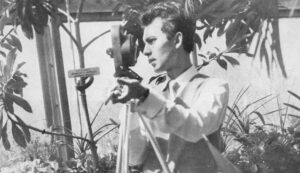
Luis Buñuel, 1929
“Mystery is the essential element of every work of art.”
“Of course, fantasy and reality are equally personal, and equally felt, so their confusion is a matter of only relative importance.”
“I’ve always believed that the imagination is a spiritual quality that, like memory, can be trained and developed.”
“I made movies to show that this is not the best of all possible worlds.”
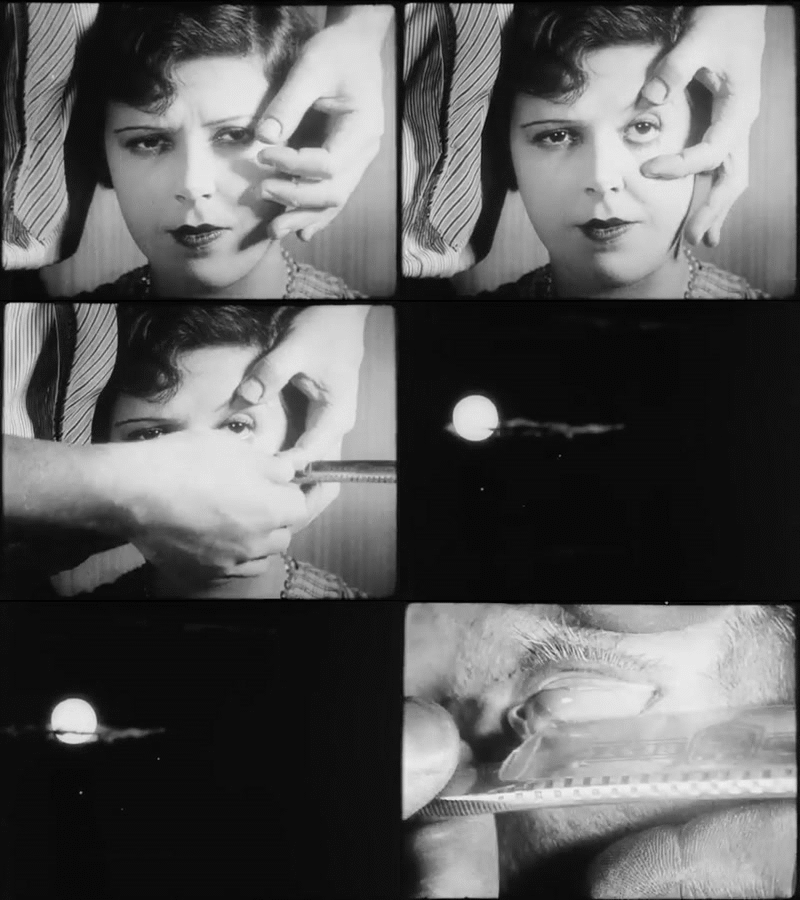
Un Chien Andalou, 1929
“The films that influenced me the most, however, were Fritz Lang’s. When I saw Destiny [1921], I suddenly knew that I, too, wanted to make movies. It wasn’t the three stories themselves that moved moved me so much, but the main episode–the arrival of the man in the black hat, whom I instantly recognized as Death, in a Flemish village, and the scene in the cemetery. Something about this film spoke to something deep in me; it clarified my life and my vision of the world. This feeling occurred whenever I saw a Lang movie, particular the “Nibelungen” movies, and Metropolis [1927].”
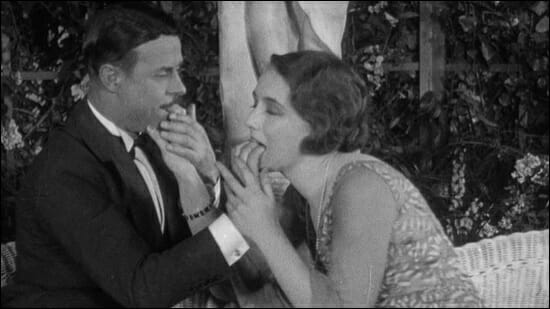
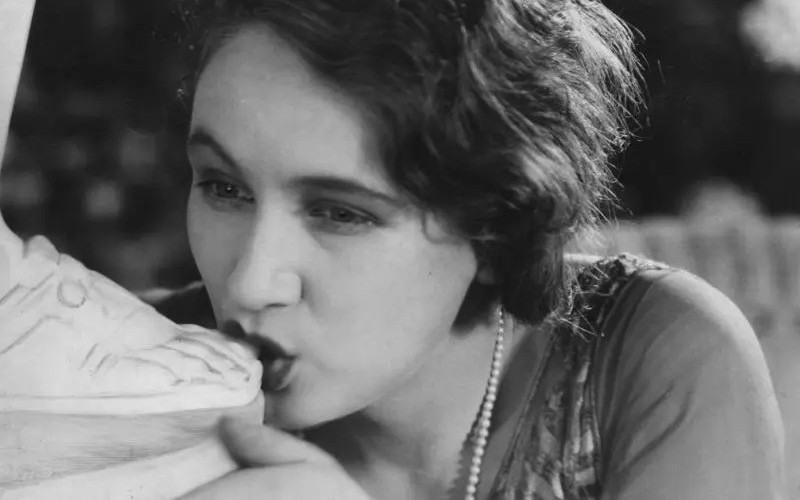
L’Age d’Or, 1930
“I’ve always found insects exciting.”
“Imaginatively speaking, all forms of life are equally valuable – even the fly, which seems to me as enigmatic and as admirable as the fairy”
“Sex without religion is like cooking an egg without salt. Sin gives more chances to desire.”
“Eroticism is a diabolic pleasure that is related to death and rotting flesh.”
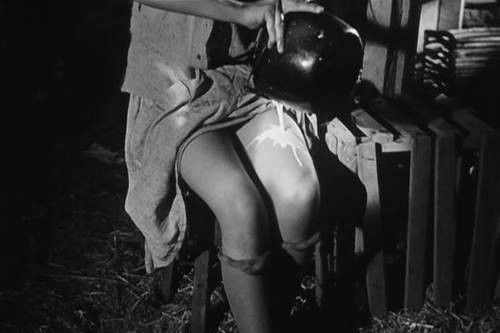

Los Olvidados [The Young and the Damned], 1950
“Sometimes, watching a movie is a bit like being raped.”
“God and Country are an unbeatable team; they break all records for oppression and bloodshed.”
“Thank God I’m an atheist!”
“I would give my life for a man who is looking for the truth. But I would gladly kill a man who thinks that he has found the truth.”
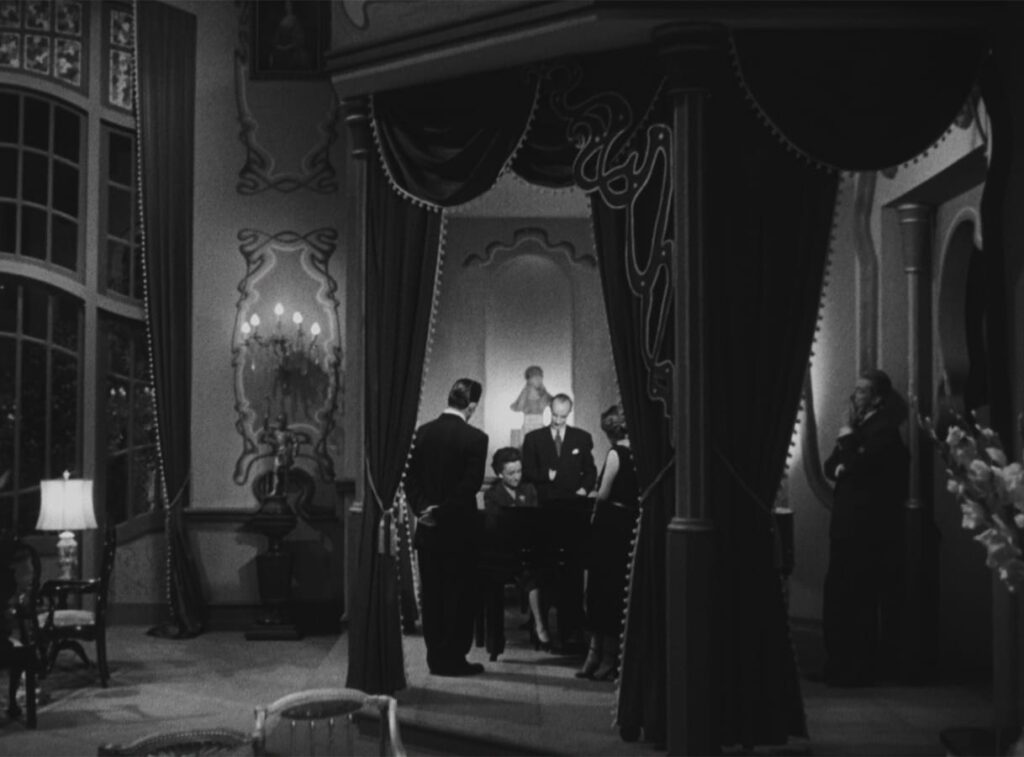
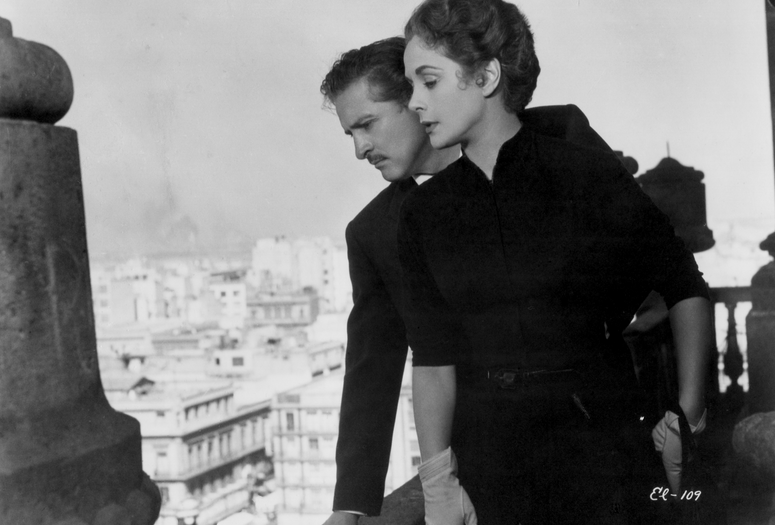
Él [This Strange Passion], 1953
“The only reason to sign [petitions] is to assuage the conscience of the signatory.”
“Refuse any image that could have a rational meaning or any memory or culture.”
“The real purpose of surrealism was not to create a new literary, artistic, or even philosophical movement, but to explode the social order, to transform life itself.”
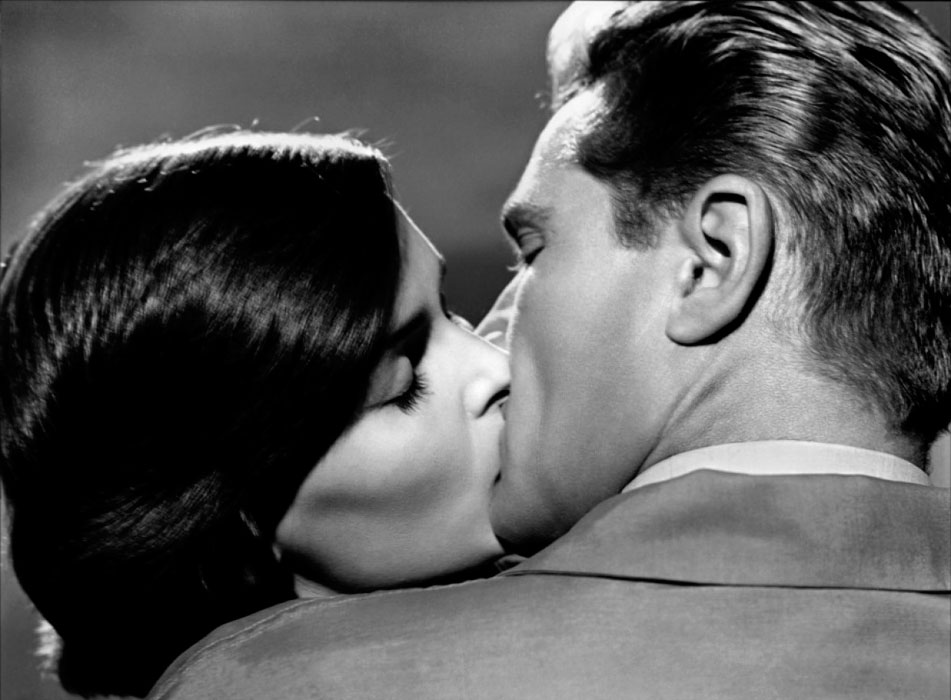
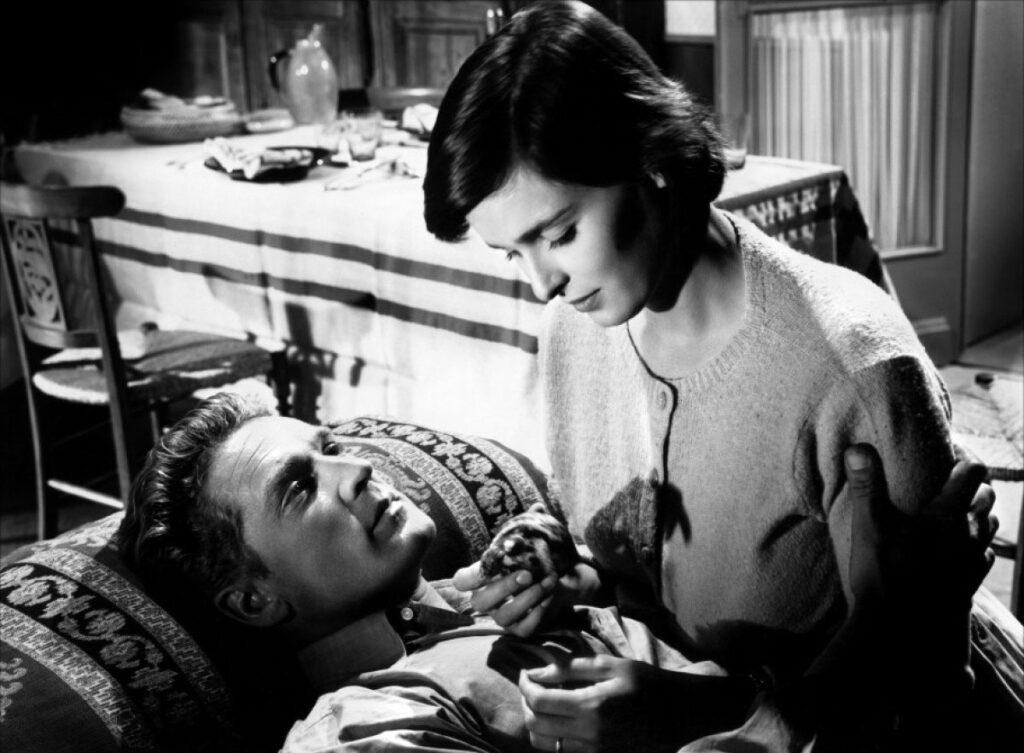
Cela s’appelle l’aurore [This is Called Dawn], 1955
“Un Chien Andalou [1929] was born of the encounter between my dreams and Salvador Dalí’s.”
“Dali wrote that his intentions ‘in writing the screenplay’ for L’Age D’or [1930] were to expose the shameful mechanisms of contemporary society. For me, it was a film about passion, l’amour fou, the irresistible force that thrusts two people together, and about the impossibility of their ever becoming one.”
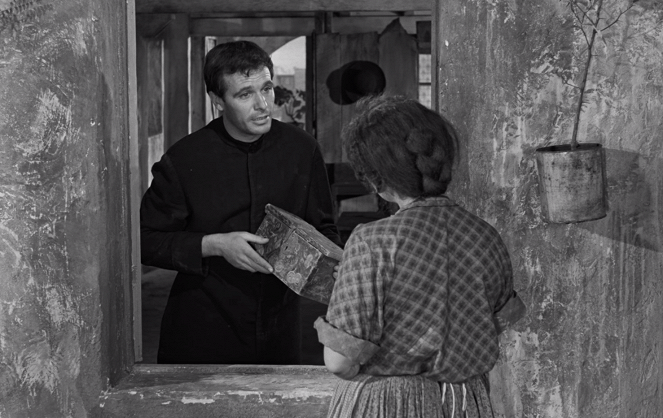
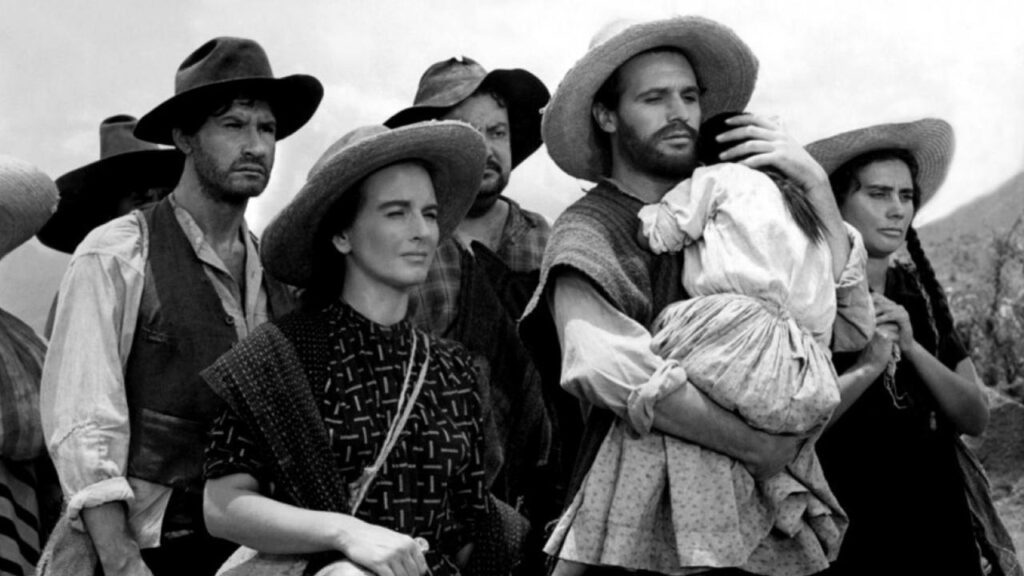
Nazarín, 1959
“In the annals of Parisian cultural history, the episode is still known as “the scandal of L’Age d’or.” A week later, Police Chief Chiappe closed the theatre; the film was censored, and remained so for fifty years.”
“No matter what the cost, I wanted to stay a surrealist.”
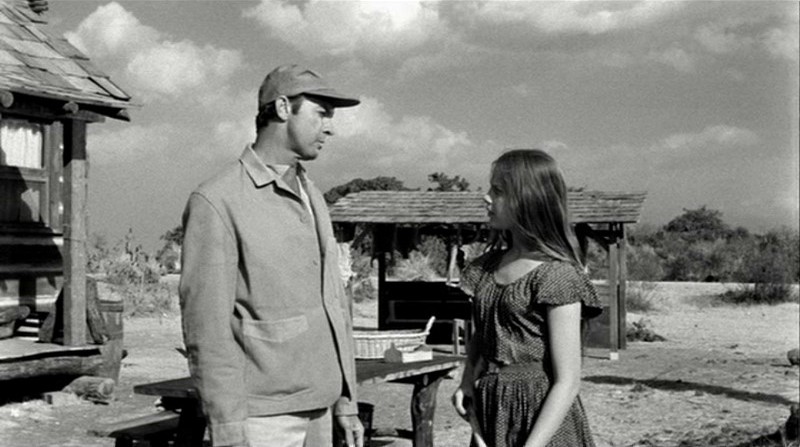
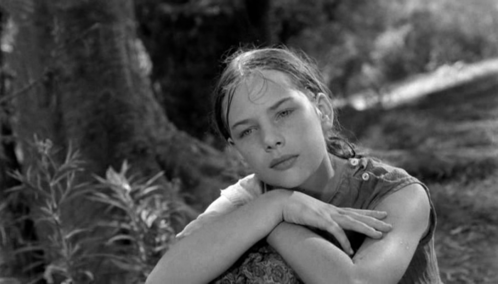
The Young One, 1960
“But that the white eye-lid of the screen reflect its proper light, the Universe would go up in flames.”
“A paranoiac, like a poet, is born, not made.”
“The Cinema seems to have been invented to express the life of the subconscious, the roots of which penetrate poetry so deeply,”
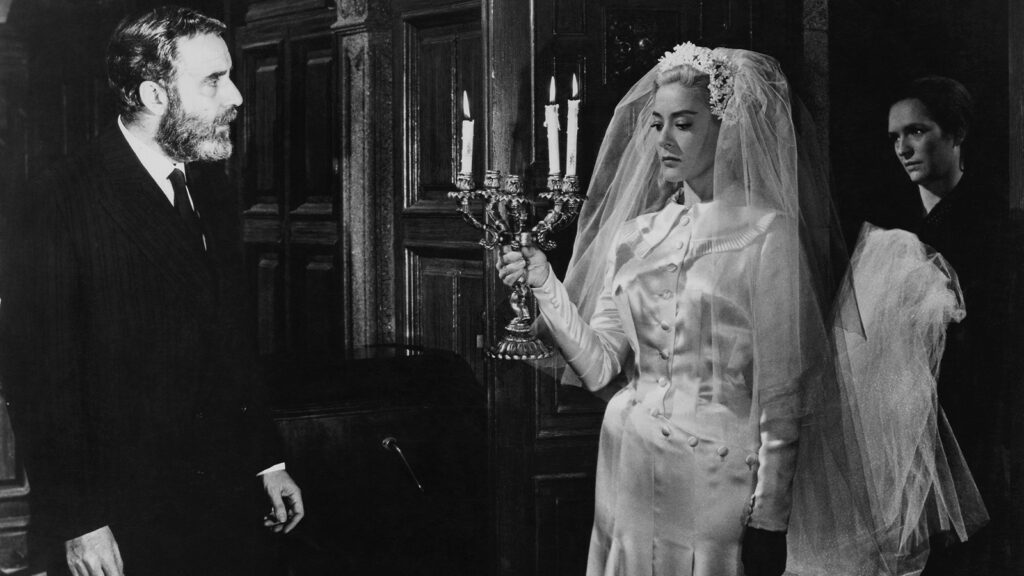
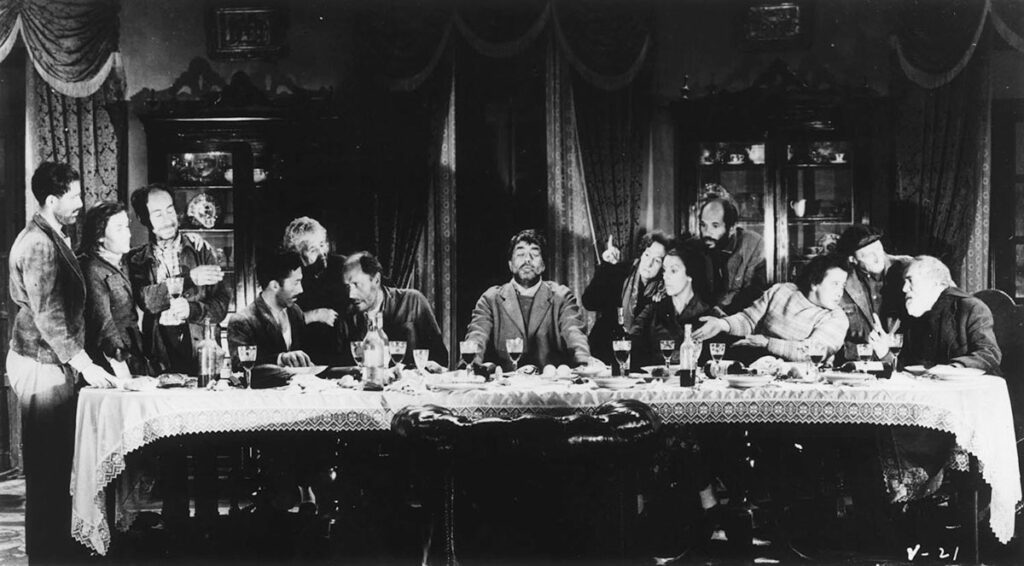
Viridiana, 1961
“In any society, the artist has a responsibility. His effectiveness is certainly limited and a painter or writer cannot change the world. But they can keep an essential margin of non-conformity alive. Thanks to them the powerful can never affirm that everyone agrees with their acts. That small difference is important.”
“I can’t help feeling that there is no beauty without hope, struggle, and conquest.”
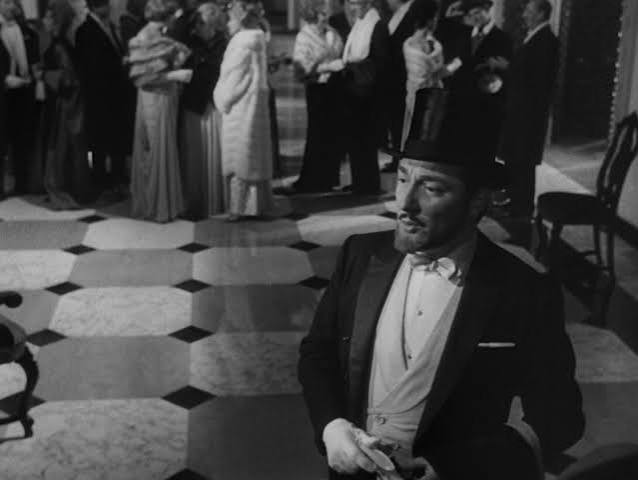
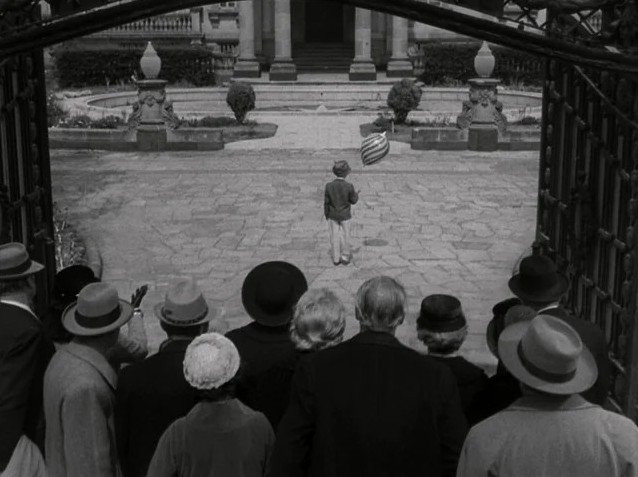
The Exterminating Angel, 1962
“No one’s really interested in other people’s dreams, so I won’t dwell on the subject, although I find it impossible to explain a life without talking about the part that’s underground—the imaginative, the unreal.”
“I’ve always felt a secret but constant link between the sexual act and death.:Lately my own sexual desire has waned and finally disappeared, even in dreams, and I’m delighted.”
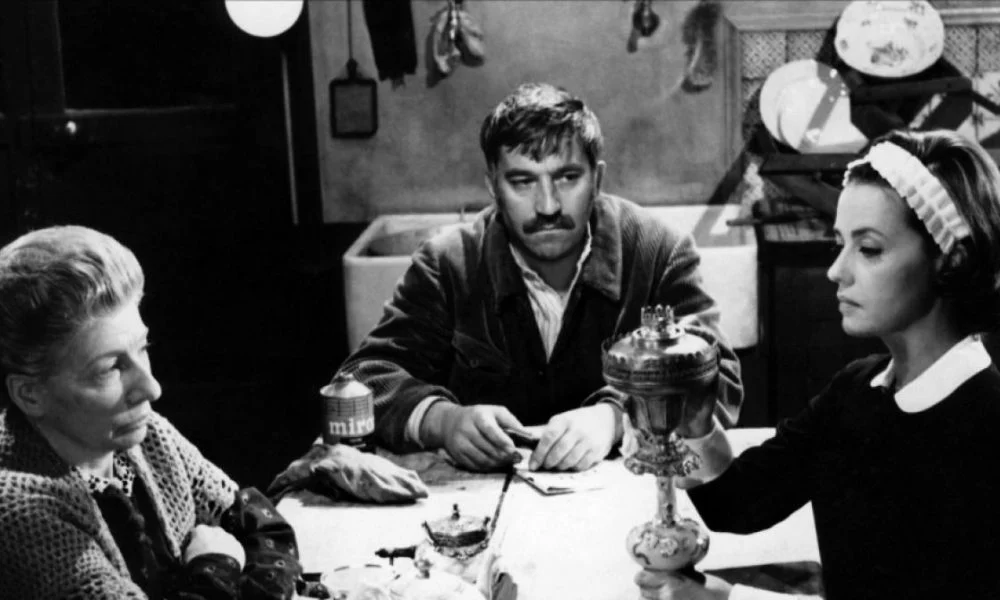

Diary of a Chambermaid, 1964
“I think films are perishable, because they depend too much on technology, which advances too quickly and the films become old-fashioned, antiques. What I hope for is that technology advances to the point that films in the future will depend on a little pill which you take; then you sit in the dark, and from your eyes you project the film you want to see on a blank wall.”
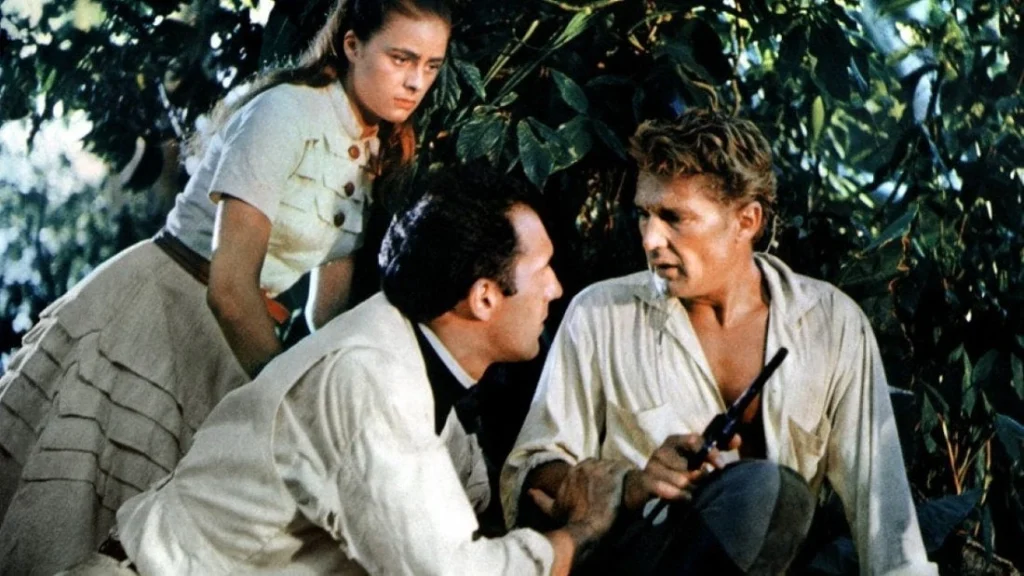
La Mort en ce jardin [Death in the Garden], 1956
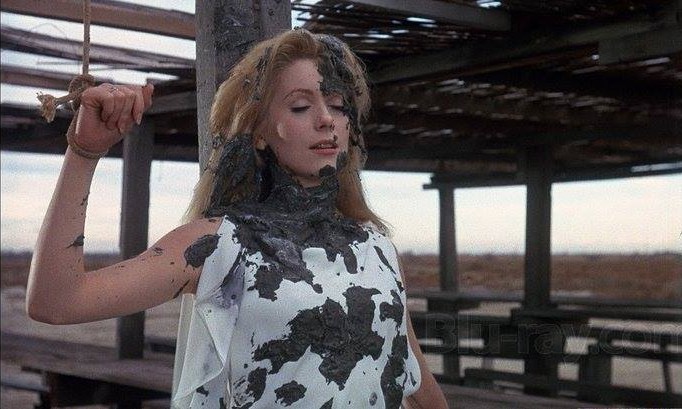
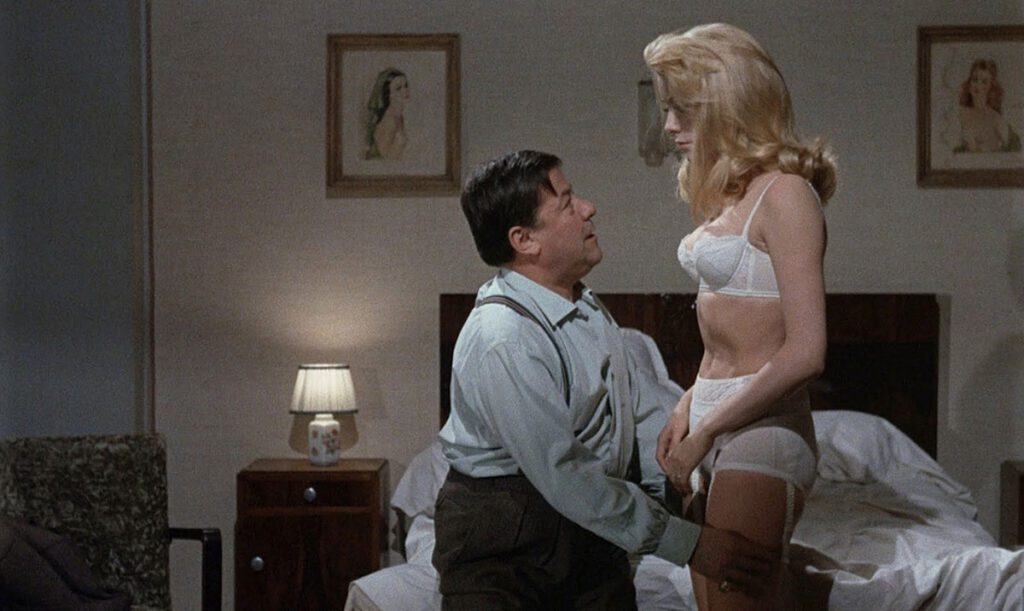
Belle de Jour, 1967
“A Clockwork Orange [1971] is my current favorite. I was very predisposed against the film. After seeing it, I realize it is the only movie about what the modern world really means.”
“Like the majority of deaf people, I don’t like blind people much.”
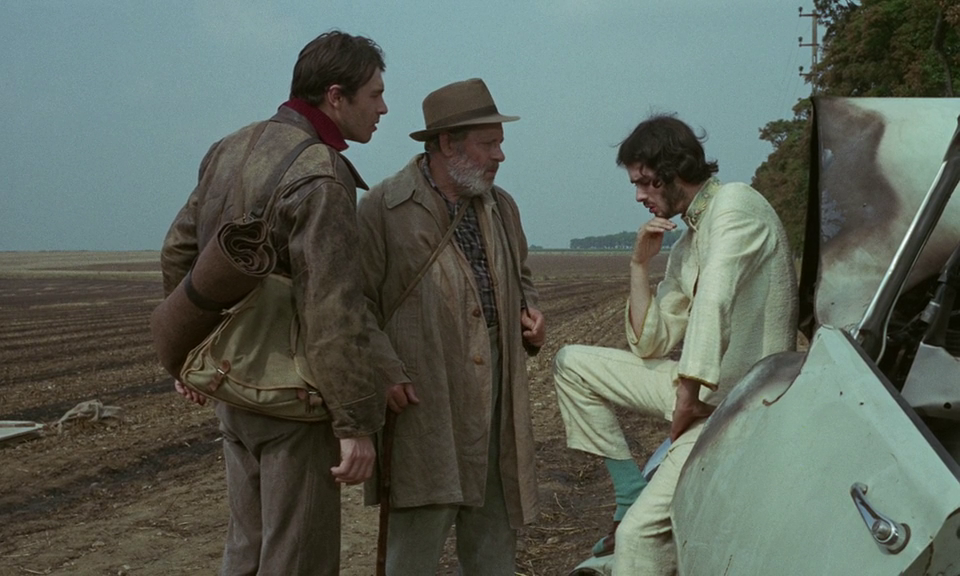
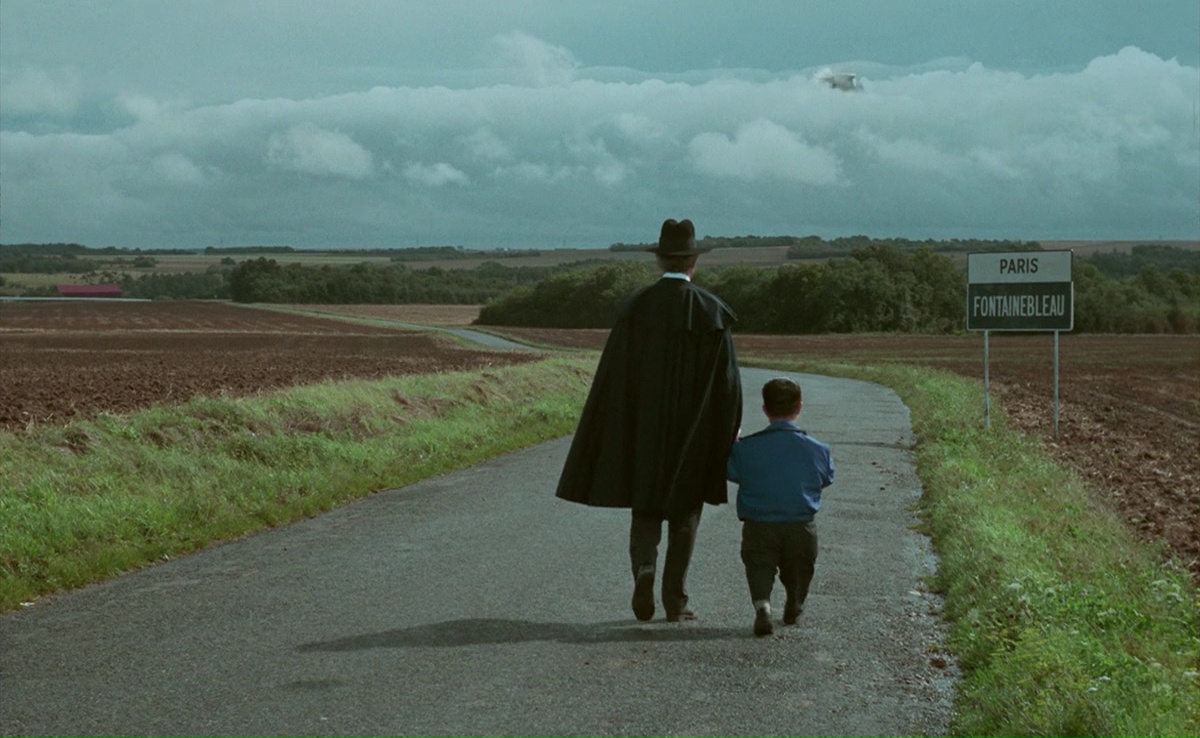
The Milky Way, 1969
“Repeat, over and over again, in case anyone forgets it or believes the contrary, that we do not live in the best of all possible worlds.”
“Hate to leave while there’s so much going on. It’s like quitting in the middle of a serial.”
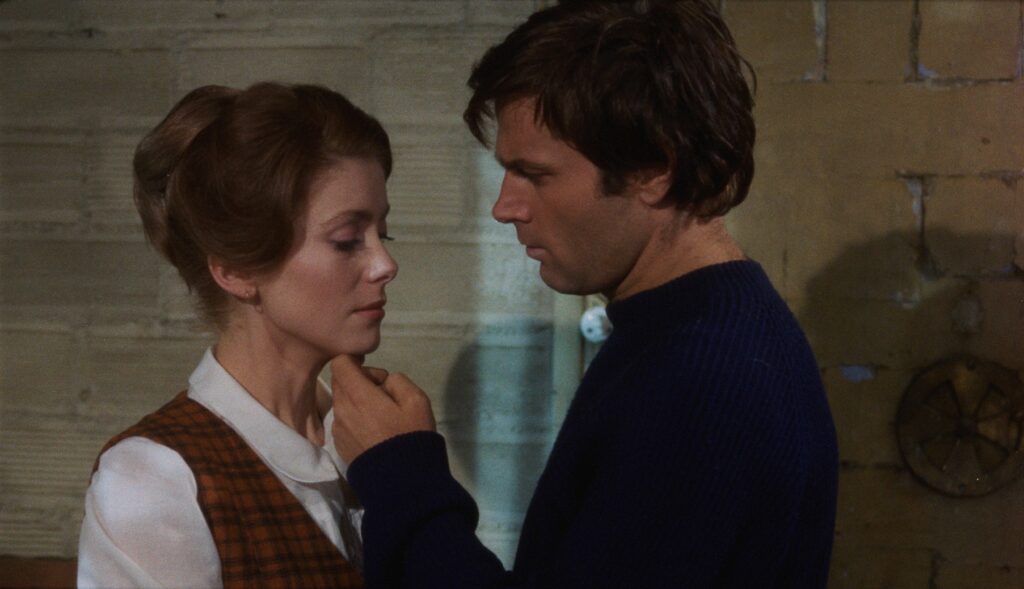
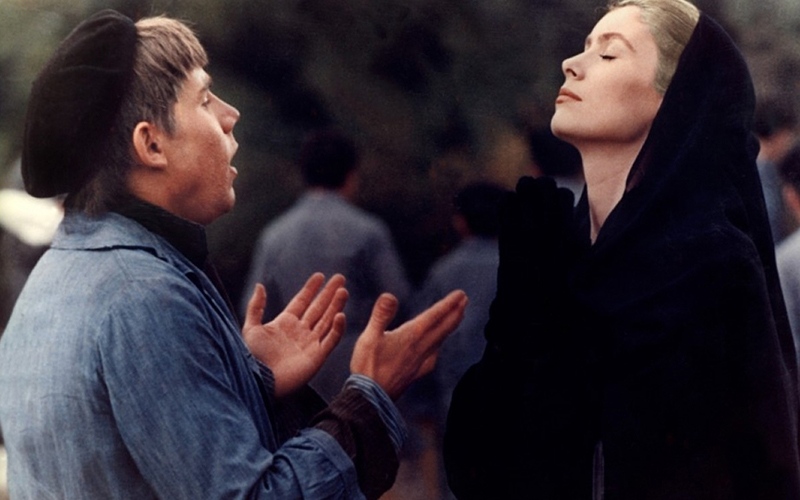
Tristana, 1970
“Frankly, despite my horror of the press, I’d love to rise from the grave every ten years or so and go buy a few newspapers.”
“The decline of the aperitif may well be one of the most depressing phenomena of our time.”
“I can only wait for the final amnesia, the one that can erase an entire life.”
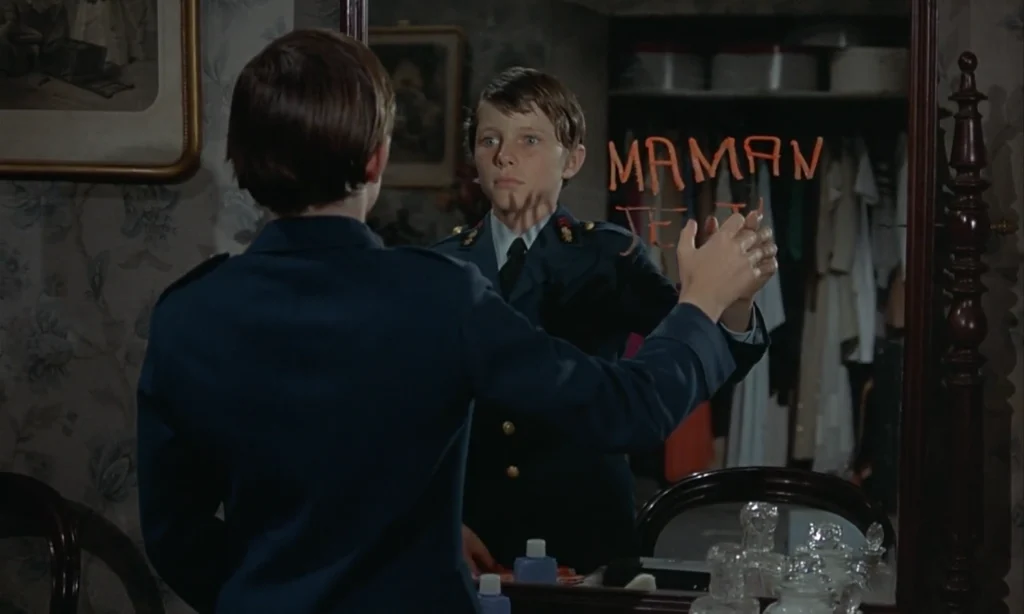
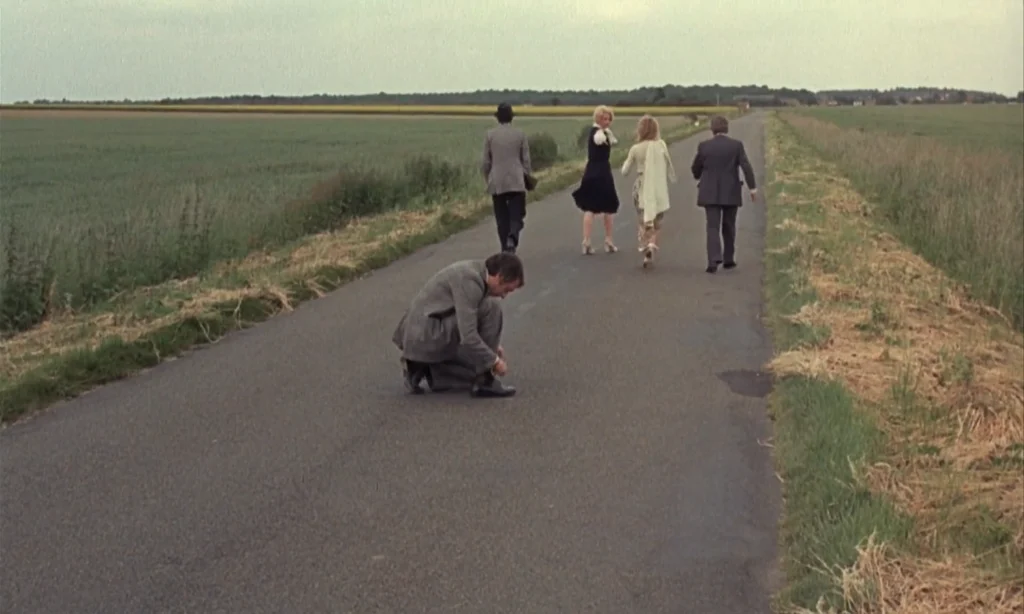
The Discreet Charm of the Bourgeoisie, 1972
“Bound, elbow to elbow, darkness and night entered the dwelling.”
“I am the only one who hasn’t changed. I remain Catholic and atheist, thank God.”
Luis Buñuel, 1900-83
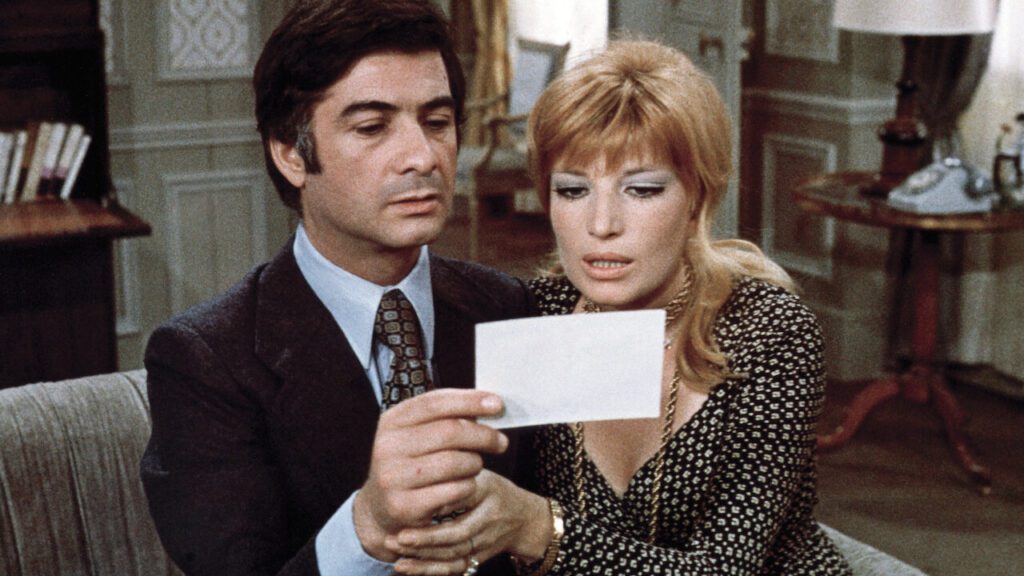
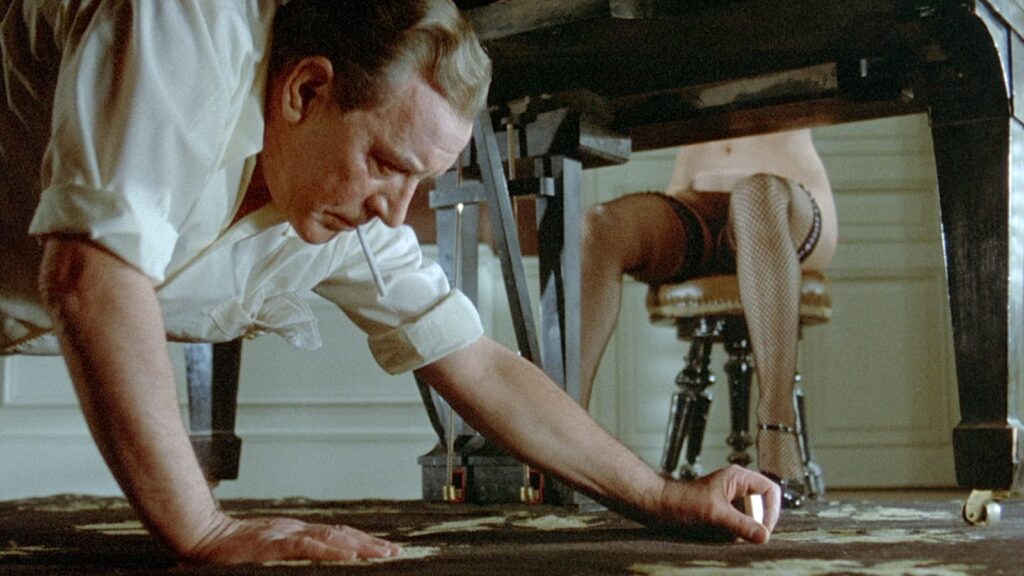
The Phantom of Liberty, 1974
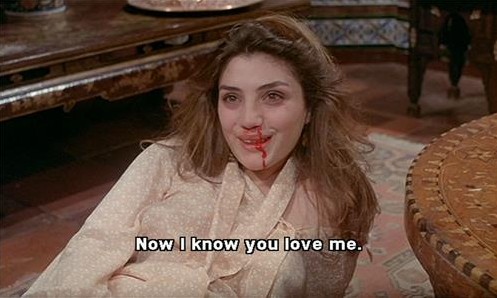
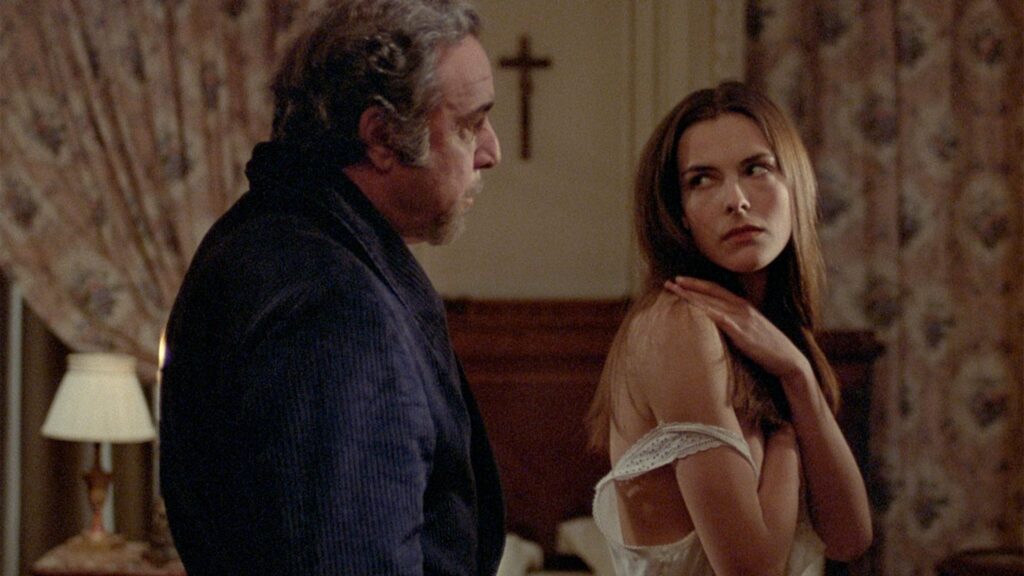
That Obscure Object of Desire, 1977
Also:
The Lion of Calanda | Luis Buñuel boxing, 1919
Days [ ) Chance | Luis Buñuel, 1982