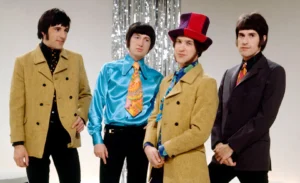
Nights in White Satin | A song by The Moody Blues, 1967
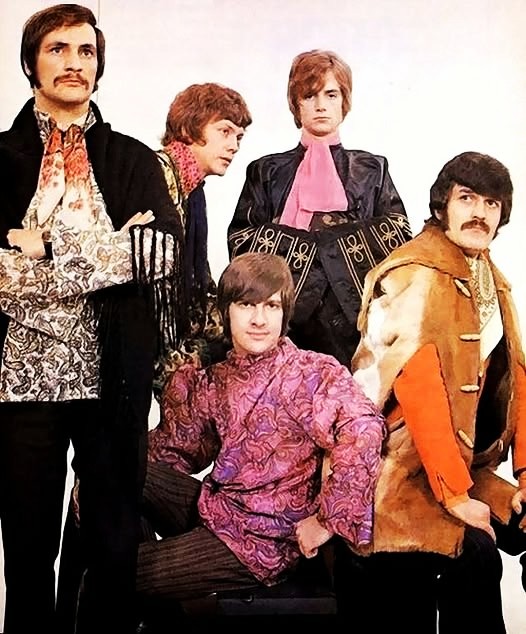
The Moody Blues, 1967
Nights in white satin, never reaching the end
Letters I’ve written, never meaning to send
Beauty I’d always missed with these eyes before
Just what the truth is, I can’t say anymore
‘Cause I love you
Yes, I love you
Oh, how I love you, oh
Gazing at people, some hand in hand
Just what I’m going through, they can’t understand
Some try to tell me thoughts they cannot defend
Just what you want to be, you will be in the end
And I love you
Yes, I love you
Oh, how I love you
Nights in white satin, never reaching the end
Letters I’ve written, never meaning to send
Beauty I’ve always missed with these eyes before
Just what the truth is, I can’t say anymore
‘Cause I love you
Yes, I love you
Oh, how I love you
The Moody Blues – Nights In White Satin – Live At The BBC Easybeat – November 6 1967
Justin Hayward wrote and composed the song at age 19 while touring in Belgium and titled the song after a girlfriend gave him a gift of satin bedsheets. The song itself was a tale of a yearning love from afar.
“It was just another song I was writing and I thought it was very powerful. It was a very personal song and every note, every word in it means something to me and I found that a lot of other people have felt that very same way about it.”
“So with “Nights”, I sat on the side of the bed and just wrote the two verses. I was at the end of one big love affair and the beginning of another. These are the things that boys, when they’re in the middle of love affairs, they think about. Every word in that song makes perfect sense to me, but trying to explain it to someone is difficult. I mean, I lived every one of the lines in that song.”
“I played it to everyone in the rehearsal room, and people were mostly indifferent. But then Mike [Pinder] said, “Play it again.” He’d just gotten his Mellotron and he went [sings Pinder’s string-sample riff]. Suddenly everyone was interested and the song just seemed to make sense. It was a little bit of relief, you know? I was sure the other guys were thinking, We’ll get rid of this guy as soon as we can and move on, because if you’ve got nothing to offer, it doesn’t make any difference if you’re in or out. It’s always an interesting dynamic in a young group.”
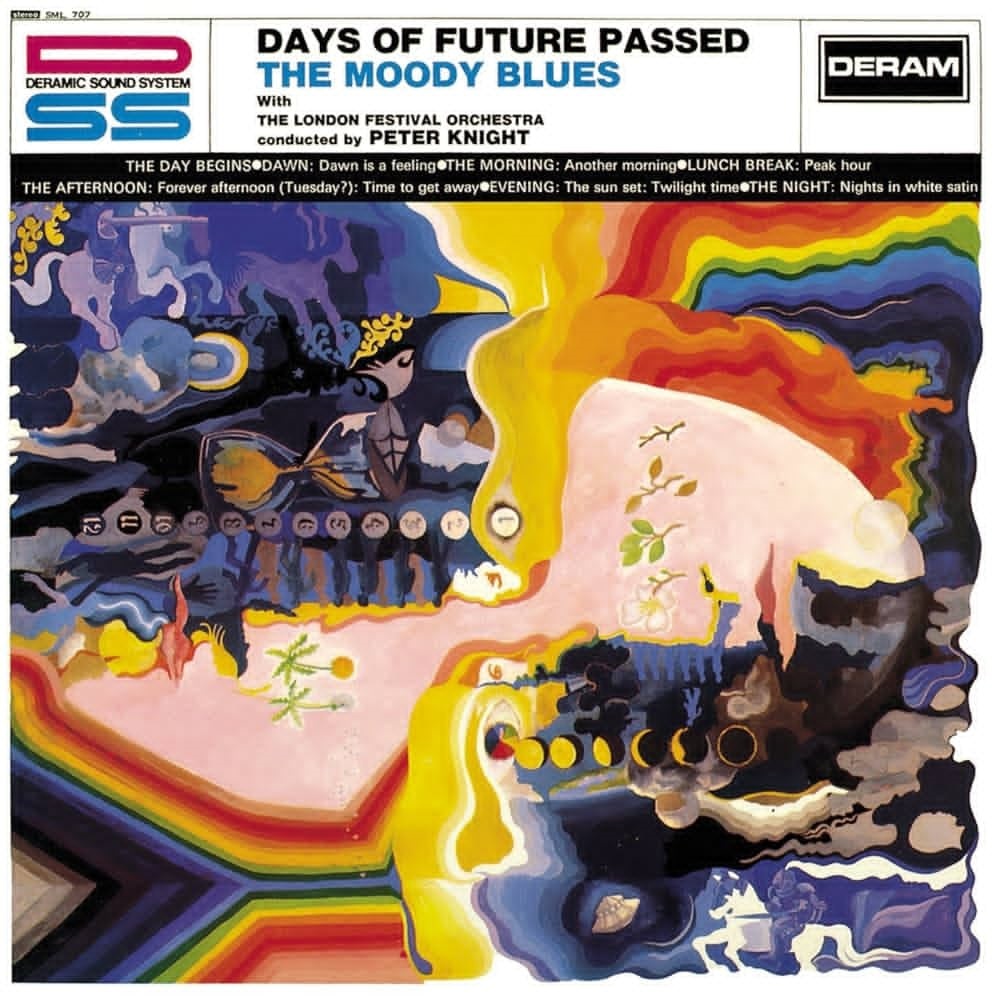
Days of Future Passed, The Moody Blues, 1967, cover art by David Anstey
Peter Knight and the London Festival Orchestra provided the orchestral accompaniment for the introduction, the final rendition of the chorus, and the “final lament” section, all of which were in the original album version. The “orchestral” sounds in the main body of the song were actually produced by Mike Pinder‘s Mellotron keyboard device.
“When we sort of got together in 1966, we were trying to find the right keyboard for Mike. We tried the piano and it wasn’t really what we wanted in the sound. Then we tried a Hammond organ, a box organ, a Rhodes piano. We tried a Farfisa organ and that didn’t work and then Mike said, ‘You know, I used to work for a company called Mellotron and they invented this machine that sort of simulates strings.’ So we went in search of one.”
The Moody Blues – Nights In White Satin – Decca – November 10 1967
This is the last song of the concept album, which follows the course of a day, jumping between people and places to capture the typical day. The song documents the heightened emotions and intimacy of dusk/early night-time. The second half, the Late Lament, completes the cycle of the day mimicking the opening monologue and invoking the privacy that the late-night embodies.
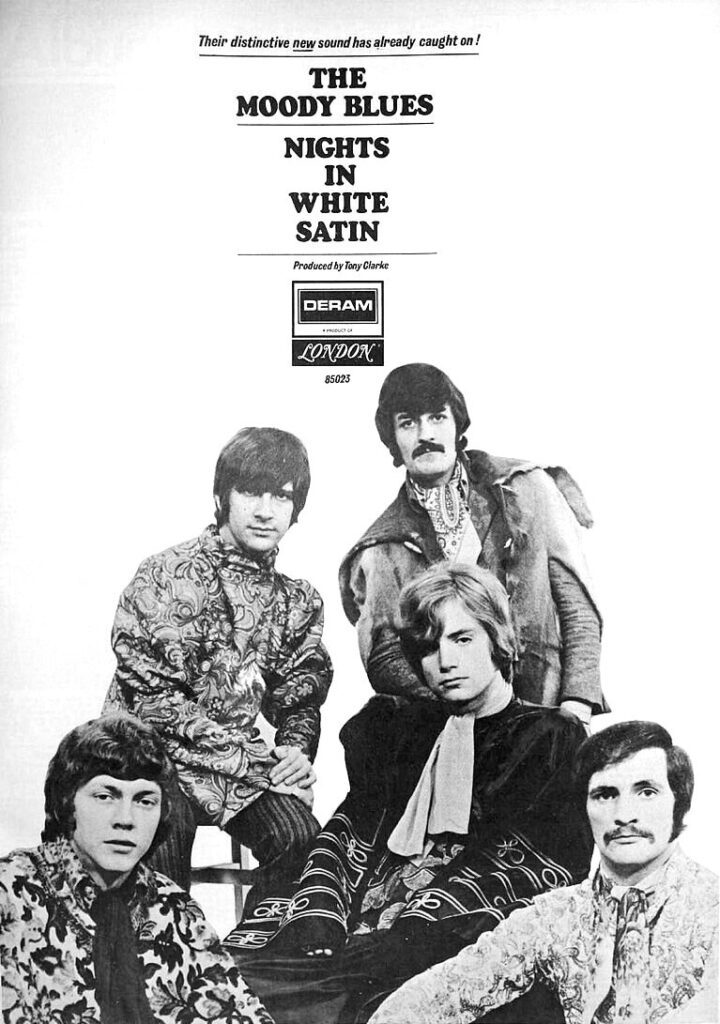
The Moody Blues, Nights in White Satin, Billboard Ad, 1968